
Nature rarely needs embellishment to seem extraordinary. From three-hearted octopuses to frogs that survive being frozen solid, here’s the real science behind ten facts that consistently surprise people.Animal Facts
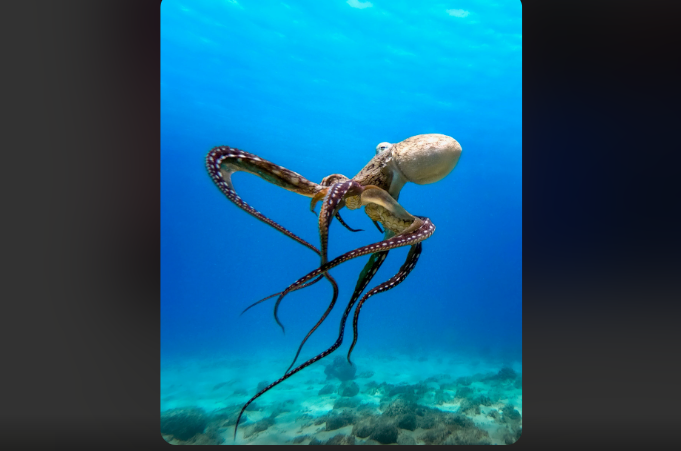
1. Octopuses Have Three Hearts — and Two of Them Stop When They Swim
Most animals get by just fine with a single heart, but the octopus needed an upgrade. Two of its three hearts are dedicated entirely to pumping deoxygenated blood through its gills, where it picks up oxygen. The third, larger heart then circulates that oxygenated blood to the rest of the body.
Here’s the strange part: that main heart actually stops beating when the octopus swims. Swimming is metabolically expensive for an octopus, and the strain of forcing water through its funnel-like propulsion system interferes with blood flow. This is a big part of why octopuses generally prefer crawling along the ocean floor with their arms rather than jetting through open water — swimming quite literally exhausts their circulatory system. Their blood is also blue rather than red, since it uses a copper-based protein called hemocyanin instead of iron-based hemoglobin to carry oxygen, an adaptation that works better in the cold, low-oxygen environments many octopus species inhabit.
2. The Mantis Shrimp’s Punch Is Faster Than a Bullet Leaving a Gun Animal Facts
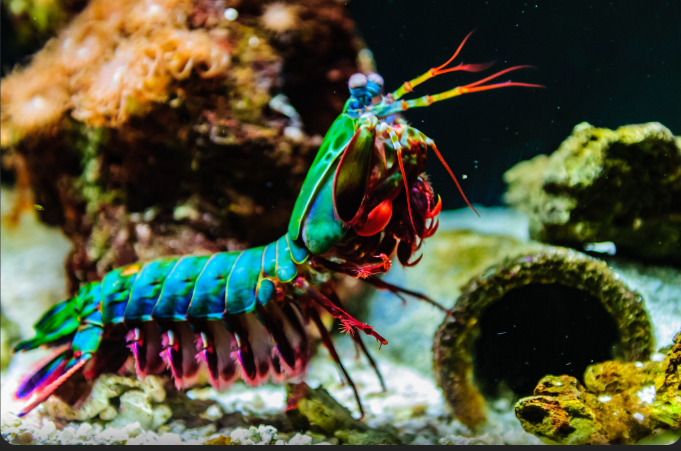
The peacock mantis shrimp, a small and vividly colored crustacean, has one of the fastest movements in the entire animal kingdom. Its club-like claw accelerates so quickly — comparable to the acceleration of a .22-caliber bullet — that it doesn’t just strike its prey; it boils the water around it.
This happens through a phenomenon called cavitation: the claw moves so fast that it creates a low-pressure bubble in the water, which then collapses and releases a shockwave of heat and light. That means a mantis shrimp can sometimes crack open the shell of a crab or snail without technically touching it a second time — the cavitation bubble alone can do the damage. animal facts
3. Honey Never Spoils

While most foods have an expiration date, honey is functionally immortal under the right storage conditions. Archaeologists excavating ancient Egyptian tombs have discovered sealed pots of honey over 3,000 years old that were still chemically stable and safe to eat.
The secret lies in honey’s chemistry. It has very low water content, which makes it inhospitable to bacteria and mold that need moisture to grow. It’s also naturally acidic, and bees add an enzyme called glucose oxidase that produces small amounts of hydrogen peroxide — a natural preservative. As long as honey is kept sealed and dry, it can theoretically last indefinitely.
4. Wood Frogs Can Survive Being Frozen Solid
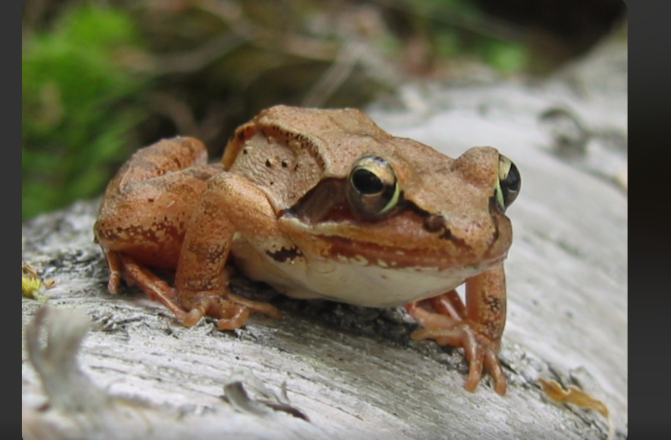
Most animals die if their bodily fluids freeze, since ice crystals shred cells from the inside. Wood frogs, which live across parts of North America, have evolved a workaround: they let themselves freeze on purpose.
As temperatures drop, wood frogs flood their bodies with glucose, which acts as a natural antifreeze, protecting their cells from damage even as up to 65% of their total body water turns to ice. Their heart stops beating entirely, their breathing halts, and they enter a state indistinguishable from death — only to thaw out again in spring, hearts restarting on their own, ready to resume normal life.
5. Elephants Can Recognize Themselves in a Mirror
Self-recognition — understanding that your reflection is you, not another animal — is a surprisingly rare cognitive trait. Researchers test for it using the “mirror test,” typically by placing a visible mark on an animal’s body where it can only be seen in a mirror and observing whether the animal investigates the mark on itself.
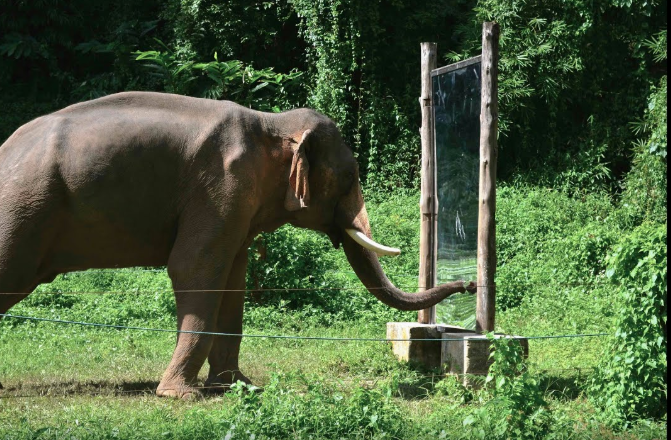
Elephants have passed this test, joining an exclusive group that includes humans, great apes, dolphins, and magpies. This suggests a level of self-awareness that goes beyond simple instinct, hinting at more complex inner lives than elephants are often given credit for.
6. Tardigrades Can Survive in the Vacuum of Space
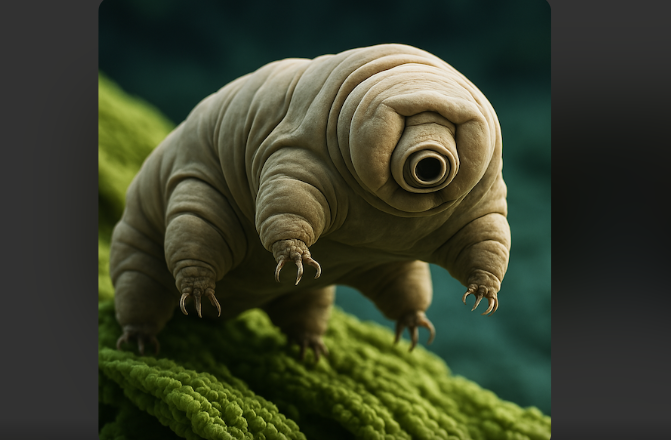
Tardigrades, often called “water bears” for their stubby, bear-like appearance under a microscope, are among the toughest creatures ever discovered. These microscopic animals can survive being frozen to near absolute zero, boiled past the point most organisms would be destroyed, exposed to lethal doses of radiation, and even the vacuum of outer space. Animal Facts
In one notable experiment, tardigrades were sent into low Earth orbit, exposed directly to space with no protection, and still survived — some even reproduced afterward. They achieve this through a process called cryptobiosis, essentially shutting down their metabolism almost entirely until conditions improve.animal facts
7. Cows Form Real Friendships
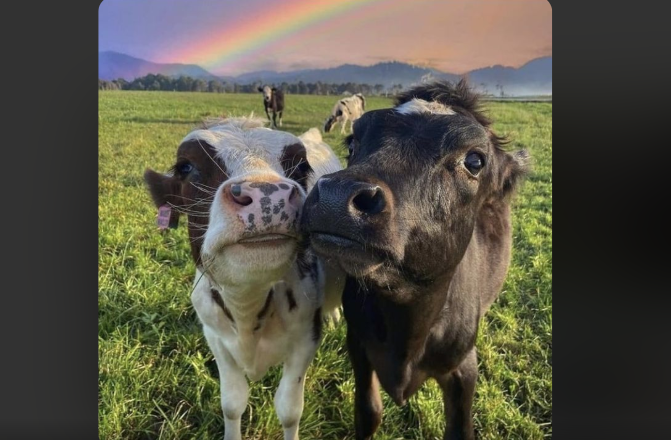
Cows are often thought of as simple farm animals, but research suggests they have complex social lives. Studies measuring heart rate and stress hormones have found that cows show clear signs of distress when separated from specific companions they’ve bonded with, while remaining calm around animals they’re indifferent to.
This indicates that cows don’t just tolerate a herd — they form individual preferences and attachments, not unlike the way humans form close friendships within larger social groups.
8. Sharks Predate Trees by Tens of Millions of Years
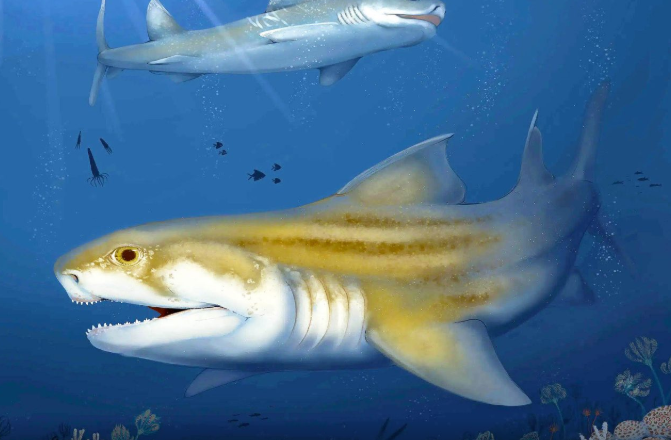
It’s easy to assume trees have always been part of Earth’s landscape, but sharks actually beat them to it. The earliest shark ancestors appeared in the fossil record around 400 million years ago, while the first tree-like plants didn’t emerge until roughly 350 million years ago. Animal Facts
That means sharks have been patrolling Earth’s oceans for longer than forests have existed on land — a fact that puts their evolutionary staying power into perspective.
9. Crows Remember Faces and Hold Grudges
Crows are considered among the most intelligent birds on the planet, and their memory for faces is remarkable. Researchers have found that crows can recognize individual human faces they perceive as threatening and will remember them for years, even communicating that information to other crows who never directly encountered the person.
This means a crow that’s been mistreated by a specific individual may scold or mob that person on sight long after the original incident — and may teach its offspring to do the same.
10. Axolotls Can Regrow Almost Any Part of Their Body
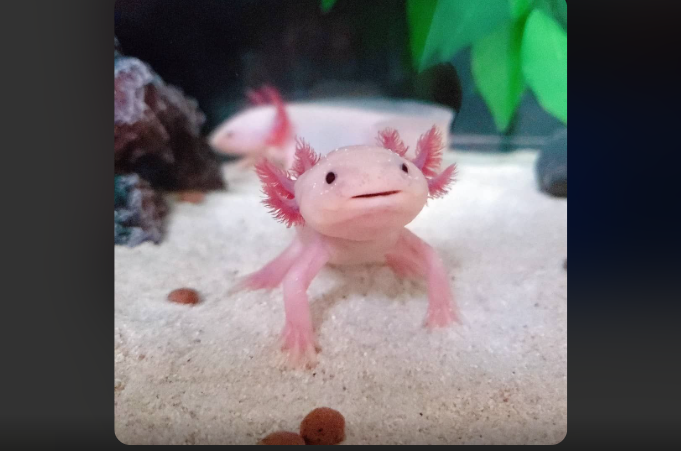
Axolotls, a type of salamander native to Mexico, possess one of the most powerful regenerative abilities in the animal kingdom. They can regrow entire limbs, portions of their spinal cord, sections of their heart, and even parts of their brain — all without scarring. Animal Facts
Scientists study axolotls closely because this regenerative capacity could hold clues for advances in human medicine, particularly in wound healing and tissue regeneration.
The Bigger Picture
These facts aren’t just fun trivia — they’re a reminder that evolution has produced solutions to survival that often outstrip anything found in fiction. The next time an animal seems unremarkable at first glance, it may be hiding an ability that would sound made up if it weren’t so well documented.